Fill out our form, and we'll connect with you within 1 to 2 business days.
Phone: (925) 989-7737

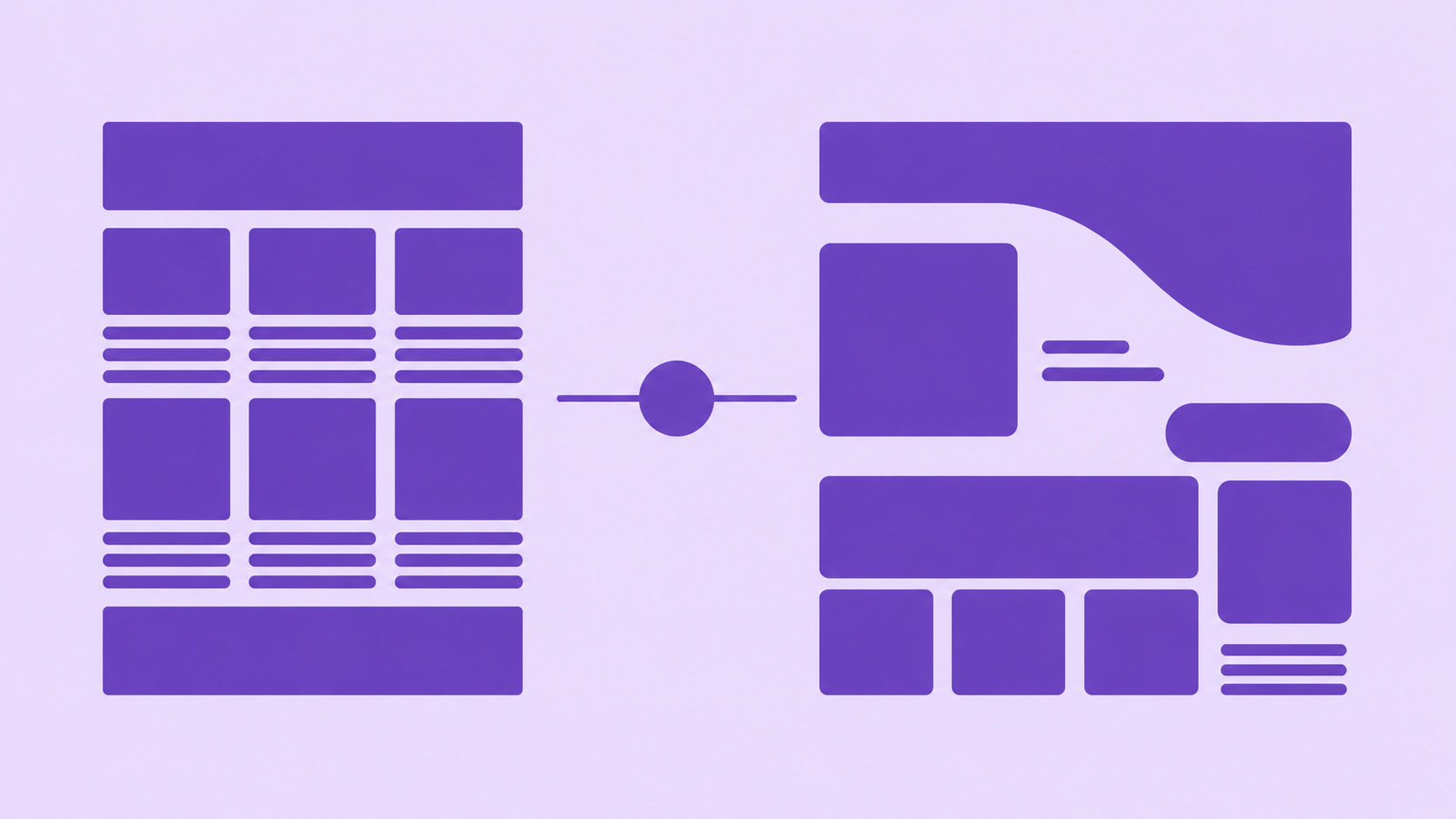
Custom website design vs templates is a decision most business owners face before they write a single line of copy. Which path you choose affects your conversions, your search rankings, and how far the site can carry you as your business grows.
If you want a high-converting website design, you need an honest look at what each option does well and where they backfire.
Why? Because businesses in Dublin, California face a crowded search landscape. Whether you run a law firm, a medical practice, an eCommerce brand, or a B2B service company, the competition is stiff online. Your website has to earn leads and trust, not just look sharp.
So which option fits your business? Let’s compare custom website design vs templates.
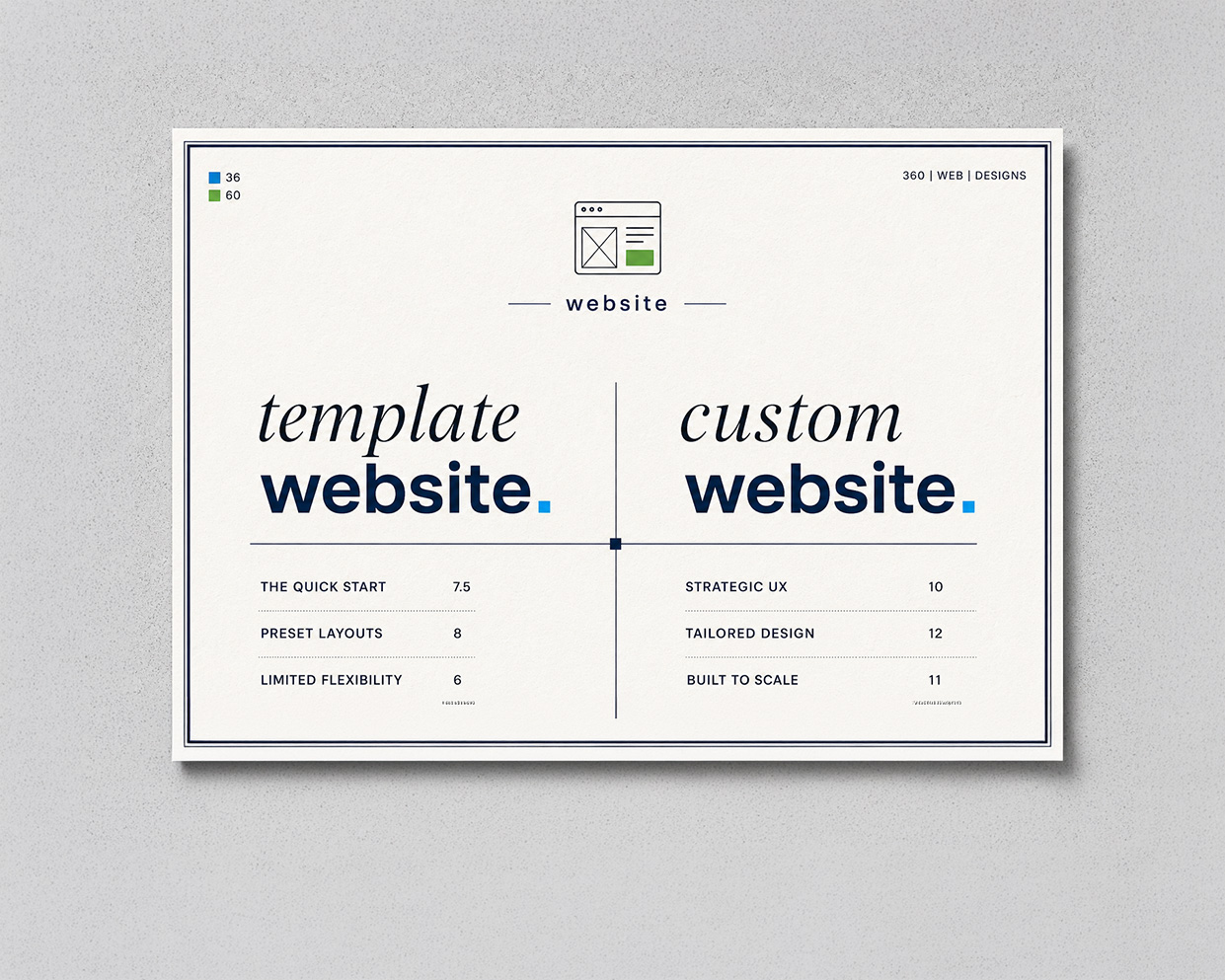
A template starts with a pre-built layout. You drop in your logo, photos, and copy, and you launch. WordPress, Wix, Squarespace, and Shopify all sell thousands of them.
Templates win on speed, price, and simplicity. A founder with no design background can put a decent-looking site online in a weekend, which is exactly why they dominate the early-stage market.
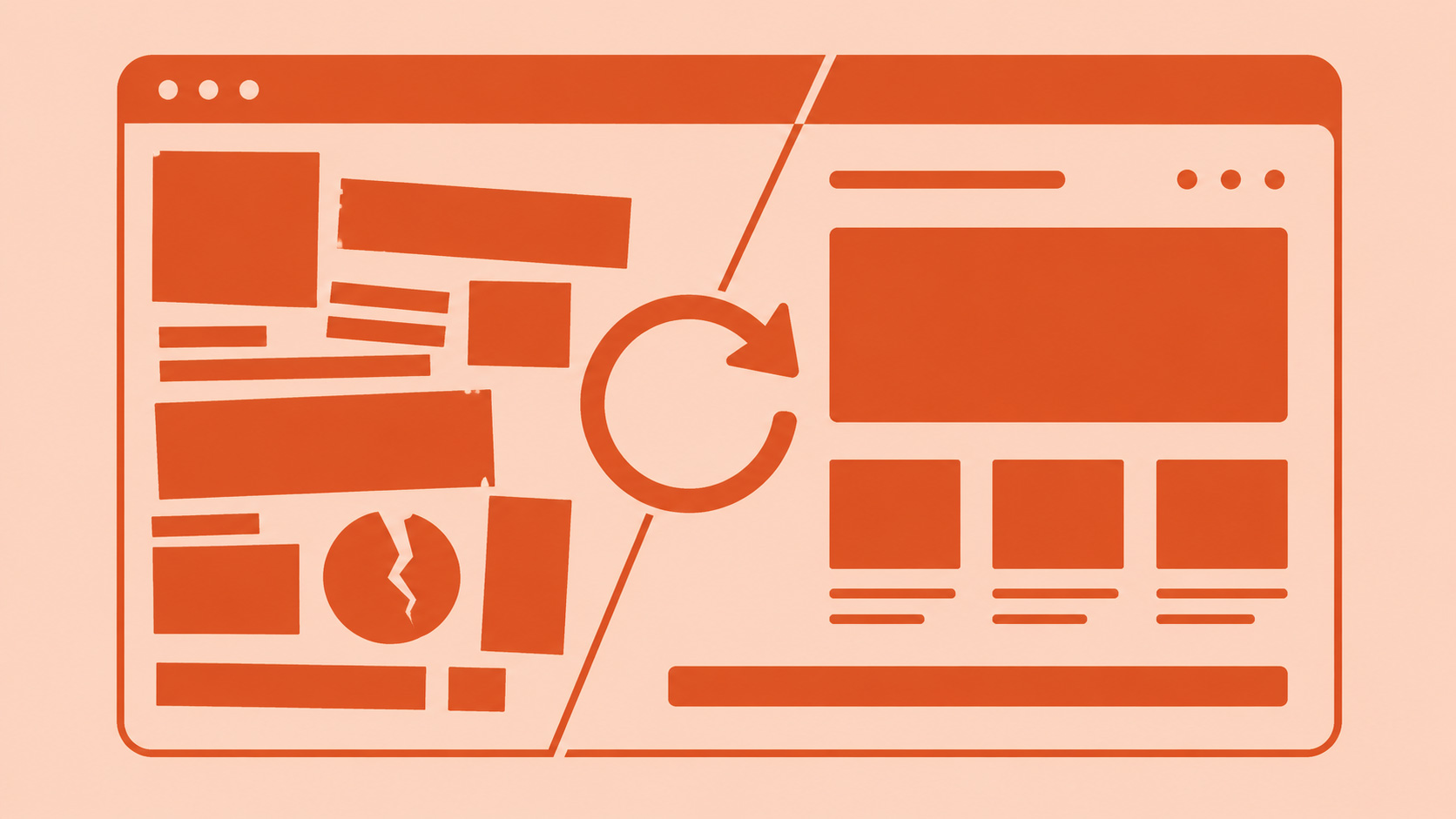
The trade-off shows up later. Templates serve thousands of businesses at once, so they optimize for the average visitor and end up presenting as cookie-cutter, lacking a unique quality that helps them stand out from their neighbors.
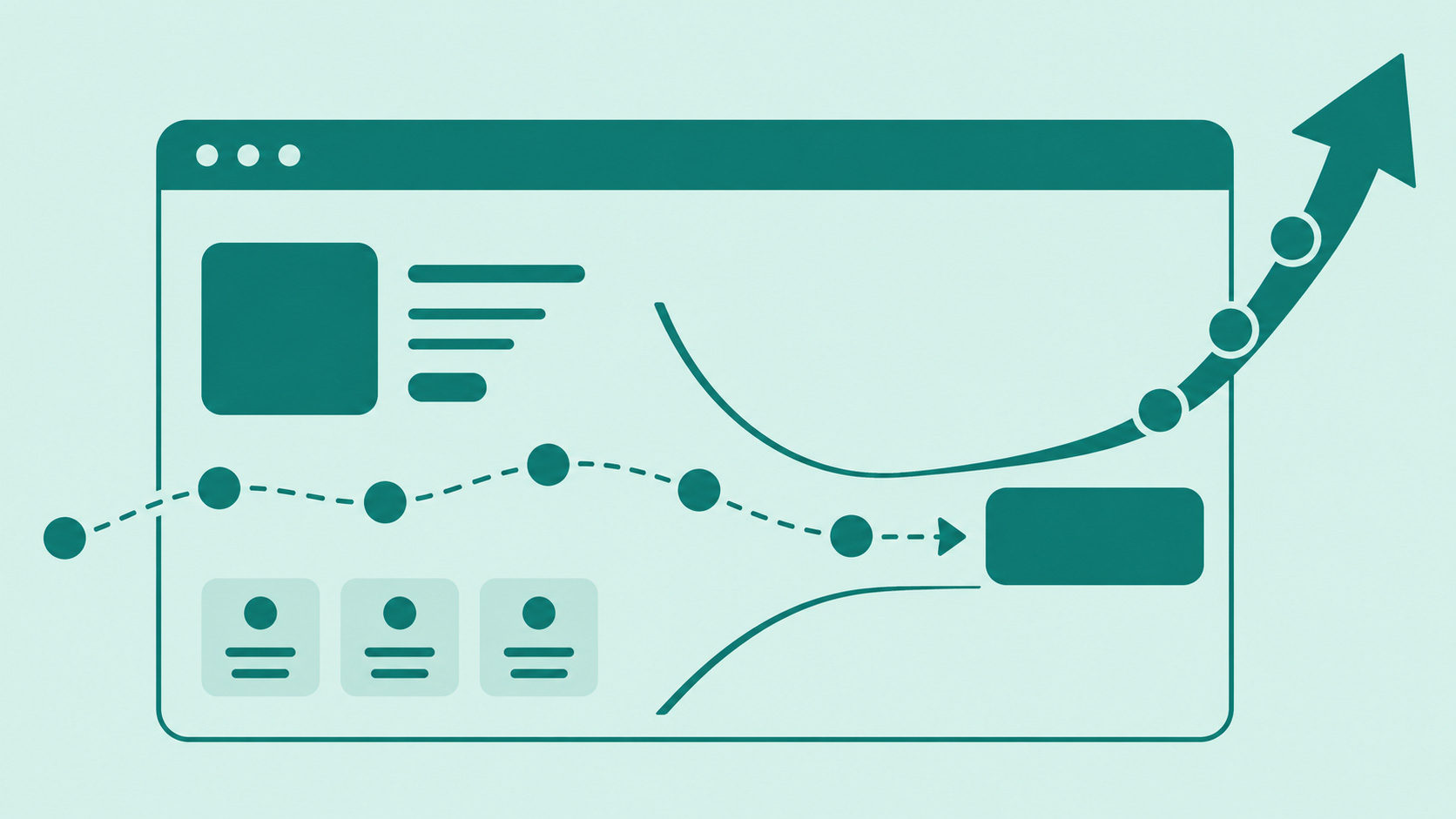
A custom website design starts with your goals, your audience, and the path you want buyers to take. Rather than squeezing your business into someone else’s framework, a designer builds the framework around your customer journey.
That usually means a tailored user experience, a clean SEO architecture, layouts built around specific conversion goals, custom functionality, and performance tuning you control end to end.
A beautiful site that generates nothing is an expensive brochure. What separates a high-converting website design from a merely attractive one is intent; every headline, button, and form sits where it does for a reason.
Strong sites push visitors toward a specific next step:
Custom builds tend to convert better because a designer can test and reshape that path. Templates hand you a layout that someone designed for a hypothetical business, then ask you to make it fit.
Ranking well brings you qualified traffic month after month without an ad spend attached to every click.
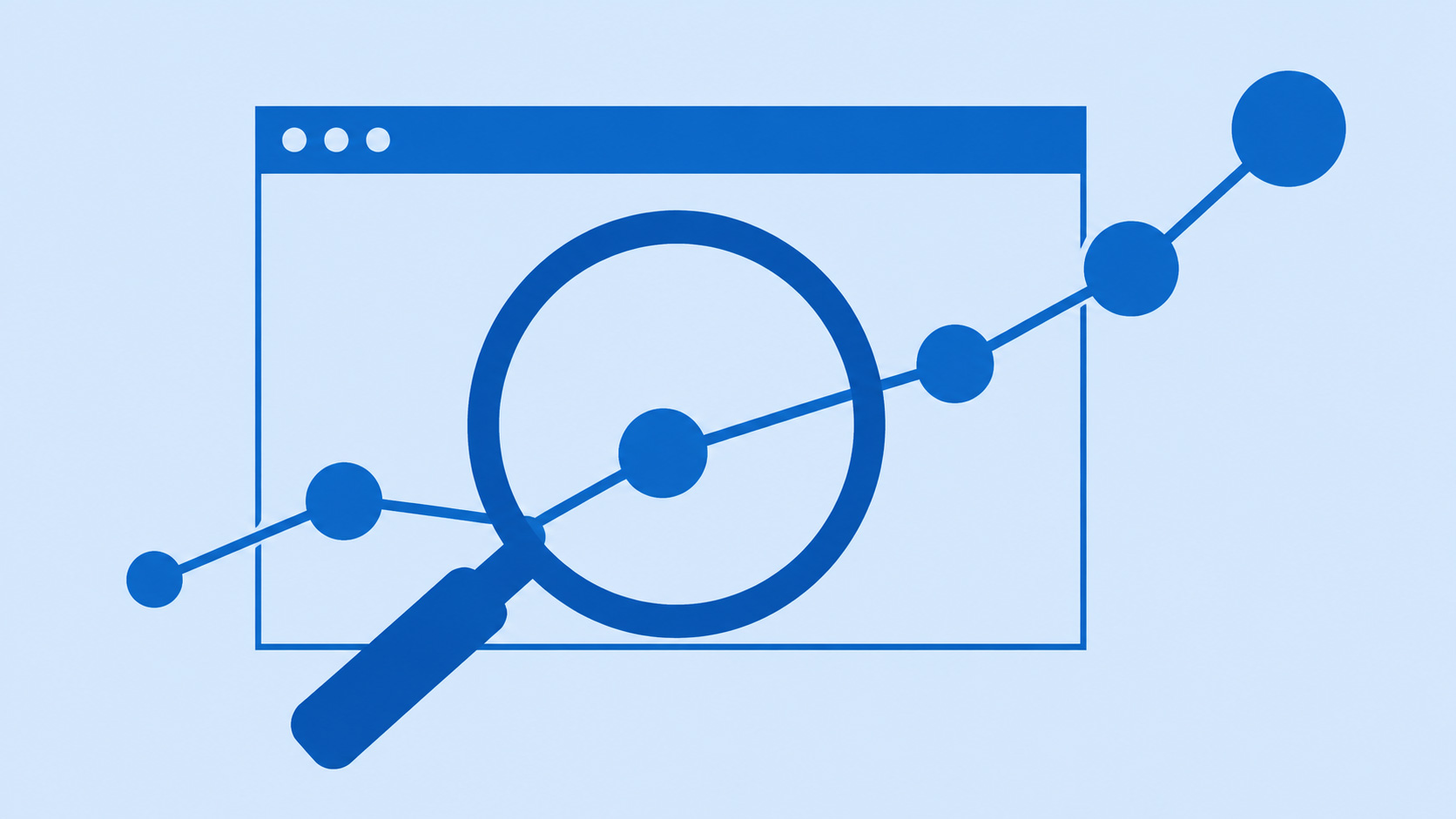
Custom development gives your developer direct control over the levers Google rewards: page speed, mobile behavior, Core Web Vitals, URL structure, schema markup, internal linking, and the technical foundation underneath all of it. Many templates ship with code you don’t need, and plugins that pile up, and both drag performance down.
Local search adds another layer. If you serve Dublin, California, a custom build lets you structure the site around location intent — dedicated service-area pages, local schema, geo-targeted metadata, and keyword architecture that matches how nearby customers actually search.
Search is shifting. AI assistants and AI-generated summaries increasingly answer questions before anyone clicks a link, which puts a premium on Answer Engine Optimization (AEO).
AEO means structuring your content so machines can read it cleanly and quote it accurately. In practice: well-marked FAQ sections, thorough schema, a logical content hierarchy, conversational phrasing for voice search, and formatting that earns featured snippets.
Say a business owner asks an AI assistant which website option suits a small company in Dublin, California. A site with clean structure and clear answers has a real shot at being the source it cites. Templates can support some of this, but the rigid ones fight you on the details that matter.
Templates get resold thousands of times. Your competitor two towns over may be running the same layout with different colors, and visitors notice that sameness even when they can’t name it.
Custom design lets you build something recognizably yours: a distinct visual identity, a customer journey shaped around how people actually buy from you, industry-specific page structures, and trust signals placed where hesitation tends to happen.
A professional services firm in Dublin might use custom lead funnels, interactive service pages, and integrated case studies to move a skeptical prospect toward a call. Those pieces are hard to bolt onto a locked-down template.
Plenty of businesses start on a template for good reason, then hit the ceiling. Customization options run out. Each new plugin slows the site further. Updates break things. The backend won’t bend the way you need it to.
Custom sites anticipate that growth. Adding a CRM, an automation platform, a booking system, a members area, or a full eCommerce catalog becomes a planned expansion instead of a rebuild.
Templates cost less on day one. That’s a legitimate advantage when cash is tight or you need to launch next week.
But the sticker price isn’t the whole bill. Template sites accumulate plugin subscriptions, troubleshooting hours, SEO patches, performance fixes, and eventually a redesign once the business outgrows the platform.
Custom website design vs. templates asks for more upfront and pays it back through better lead generation, higher conversion rates, stronger organic visibility, and a site you don’t have to replace in eighteen months. Judge the investment by what it earns, not what it costs.
Pick a template when:
A new local startup in Dublin with five pages of content can do just fine on a well-customized template — as long as someone tightens up mobile responsiveness, load speed, and on-page SEO before it goes live.
Choose a custom website design when:
When the website is a sales channel rather than a business card, custom development usually earns its cost back quickly.
No single answer fits everyone. Budgets, timelines, and goals differ.
That said, if you’re aiming for a high-converting website design that supports SEO, AEO, local targeting, and years of growth, custom development consistently outperforms. Templates make solid starting points; they rarely make good finish lines.
Your site should look professional and do real work for the business. That’s the difference worth paying for.
If your current site isn’t generating leads, ranking on Google, or turning visitors into customers, the problem is usually strategy, not aesthetics.
At 360 Web Designs, we build custom, conversion-focused websites for businesses in Dublin, California, and beyond. Our work covers custom design and development, SEO-friendly builds, AEO optimization, geo-targeted local SEO, conversion-driven UX, and responsive mobile experiences.
Whether you need a full custom build or a serious redesign of what you already have, we’d like to help. Schedule a consultation.