Fill out our form, and we'll connect with you within 1 to 2 business days.
Phone: (925) 989-7737

AI is everywhere in web design conversations—but clarity is often missing.
At its best, artificial intelligence helps designers work smarter: analyzing user data, surfacing insights, and accelerating repetitive tasks. At its worst, it produces fast, forgettable websites that lack strategy, brand voice, and human connection.
The difference isn’t the technology—it’s the approach. AI works best when it supports experienced designers, not when it attempts to replace them.
Here’s how AI fits into modern web design today, how it improves UX and efficiency, and why human-led strategy still defines the most successful websites.
When people hear “AI in web design,” they often imagine machines spitting out entire websites with no human touch. While that might sound efficient, it misses the heart of design: emotion, intuition, and storytelling.
AI can handle logic and data, but it’s human creativity that gives websites their soul.
Tools like Wix ADI, Framer AI, and Hostinger’s AI Website Builder can generate layouts and content in seconds. However, what they can’t do is understand your brand’s personality, your audience’s emotion, or the subtle way colors and typography create trust.
At 360WebDesigns, we like to think of AI as an assistant designer. It helps with repetitive work so you can focus on the craft. It suggests layouts, checks readability, optimizes for SEO, and even analyzes user behavior. But the story? The emotion? That’s still all you.
Let’s be honest, designing a website isn’t just about making it look good anymore. It’s about making it perform.
That’s where AI shines.
Here are a few ways AI helps web designers today:
Content Generation: Tools like ChatGPT and Jasper can generate blog outlines, captions, and headlines tailored to your tone. You can use them as creative springboards rather than replacements for your unique voice.
Image Optimization: AI tools automatically compress images, adjust lighting, and even generate visuals in your brand’s style.
User Behavior Prediction: AI-powered analytics tools study user patterns, how long visitors stay, where they click, and what they ignore. This helps designers refine layouts for better engagement.
Personalized Design Experiences: AI can adapt website content based on visitor data, showing returning users different messages or highlighting products that fit their browsing history.
The result? Websites that feel tailor-made for every visitor—because AI helps interpret the human side of interaction.
There’s a misconception that AI stifles creativity. But in reality, AI can actually fuel it.
Think of AI as a brainstorming partner who never gets tired. You can feed it color palettes, typography ideas, layout styles, and brand keywords—and it’ll generate endless combinations in seconds.
This doesn’t mean AI is designing for you—it’s designing with you.
At 360WebDesigns, we often use AI-powered mockup tools to speed up the early stages of design. Instead of spending hours testing layouts, we can visualize options instantly and refine the best ones. It’s a collaboration. AI provides the base, and our creative team adds the emotion and artistry that connects with audiences.
A beautifully designed website is only as good as the experience it offers.
That’s why AI and UX/UI design go hand-in-hand.
AI can analyze thousands of data points to identify what works and what doesn’t—something that used to take weeks of manual testing. For example:
Heatmaps show where users click most.
Predictive algorithms suggest which design elements might draw attention.
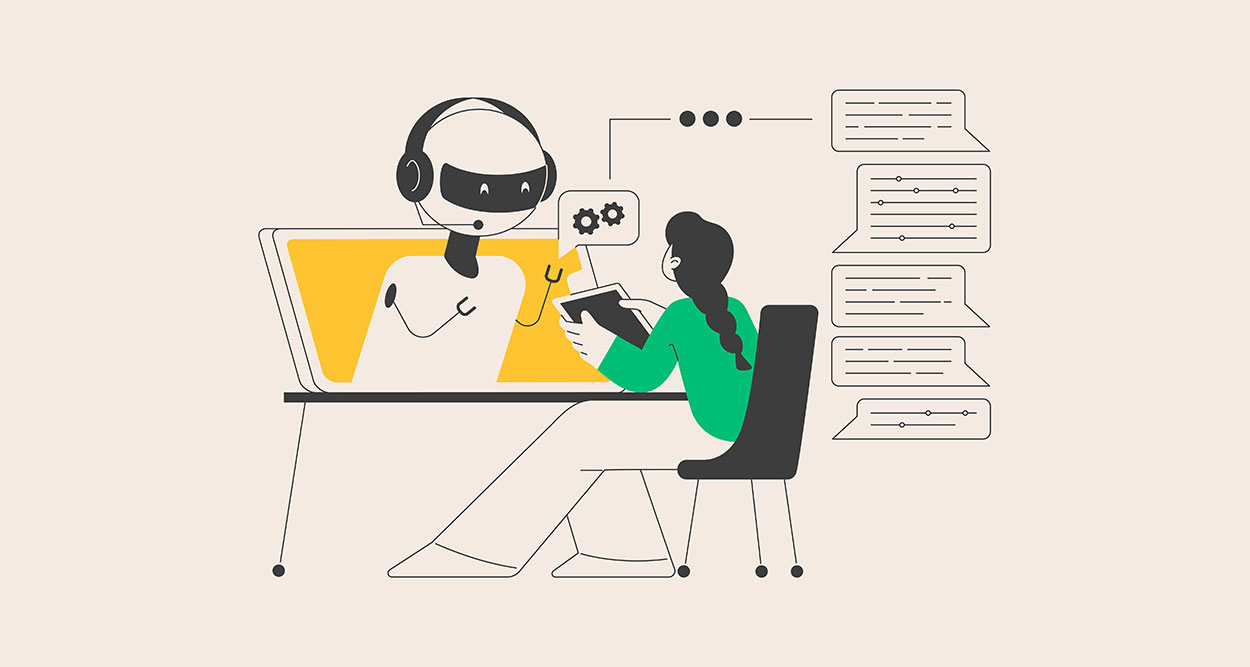
Chatbots and voice assistants improve engagement by offering real-time help.
But what really makes AI exciting for UX is personalization. Imagine a visitor landing on your site for the first time. AI can instantly adjust what they see based on their device, location, or previous searches. That means faster load times, smarter content placement, and a smoother journey from homepage to checkout.
This level of intelligent personalization not only improves conversion rates but also makes users feel understood and valued, a key factor in modern web design.
Time is every designer’s most precious resource. AI helps reclaim it.
From automating design tasks to streamlining collaboration, AI is transforming workflows:
Automated Code Generation: Tools like GitHub Copilot and Uizard can generate snippets of HTML, CSS, or JavaScript in seconds.
Smart Asset Management: AI automatically tags and organizes images, videos, and files—saving time searching through folders.
SEO Optimization: AI platforms analyze keywords, readability, and metadata, suggesting ways to improve ranking instantly.
Testing and Debugging: AI-driven testing tools can simulate user interactions, detect bugs, and even suggest fixes.
For small businesses and creative agencies like 360WebDesigns, this efficiency means more time for strategy, client connection, and creative exploration.
Despite all its brilliance, AI still lacks one essential ingredient—empathy.
It doesn’t know what it feels like to connect with a story, appreciate good design, or be inspired by a brand’s purpose.
That’s where human designers shine.
We bring emotion, intuition, and storytelling to the table—things AI simply can’t replicate.
The best results come when both worlds meet: the precision of AI and the creativity of human design. Together, they form the perfect partnership—balancing efficiency with artistry.
At 360WebDesigns, we often say, “AI gives us data; creativity gives it meaning.” Our team uses AI tools to uncover insights, but we rely on our instincts to shape designs that move people, not just impress algorithms.
If you’re a web designer wondering where to start with AI, here are a few practical tips:
Start small. Experiment with one AI tool—like an AI copy assistant or layout generator.
Keep your brand voice clear. Use AI for structure, but always infuse your personality into the final result.
Learn from AI insights. Use analytics and suggestions to refine your work, not dictate it.
Stay creative. Let AI handle the routine so you can focus on innovation.
Remember, AI doesn’t erase creativity—it expands it. The more you understand how to work with it, the more powerful your designs become.
We’re entering an era where websites will design themselves around users in real time, adapting to preferences and predicting behavior.
AI will continue evolving—introducing smarter algorithms, more realistic visuals, and faster development processes. But one thing will remain constant: the human desire for connection.
At the end of the day, design isn’t just about pixels—it’s about people. And AI, when used wisely, helps us connect with them more meaningfully.
So, is AI really your friend in web design?
Absolutely—if you let it be.
It’s not your competitor; it’s your collaborator. It doesn’t replace your creativity; it enhances it. And it doesn’t diminish your role—it amplifies your impact.
At 360WebDesigns, we embrace AI as a creative ally—one that helps us build smarter, faster, and more meaningful digital experiences. The magic happens when technology and imagination meet in the middle.
Because when AI handles the technical side, we, as designers, can do what we do best—bring ideas to life with passion and purpose.