Fill out our form, and we'll connect with you within 1 to 2 business days.
Phone: (925) 989-7737

If you’re a small business owner heading into 2026 with plans to launch or redesign your website, you’re not alone. The digital space continues to evolve rapidly like AI-driven search, mobile-first browsing, accessibility standards, and higher user expectations being the norm.
The difference between a website that “just exists” and one that consistently generates leads comes down to strategy. That’s where a structured website planning checklist becomes essential.
This guide walks you through a practical, client-focused roadmap designed specifically for small businesses here in Dublin, California and around the USA.
A website today is not a digital brochure. It is:
Without a plan, most small businesses fall into one of three traps:
A thoughtful website planning checklist eliminates guesswork and aligns your website with real business outcomes.
Before choosing colors or layouts, define success.
Ask:
Your goals should be measurable:
Every decision in your small business website strategy should support these objectives.
Your website should speak clearly to one primary audience.
Consider:
When your messaging directly addresses their concerns, conversions increase naturally.
A basic small business website typically includes:
Some businesses may need:
Structure supports clarity. Visitors should find what they need within seconds.
One of the most overlooked steps in a website planning checklist is content architecture.
For each page, define:
Content should drive design—not the other way around.
Even at the Top of Funnel stage, search visibility matters.
Identify:
Strategic keyword placement in headings, metadata, and body copy strengthens discoverability without compromising readability.
Visitors decide within seconds whether to stay.
Ensure:
Your website design process should always prioritize usability over decoration.
In 2026, mobile traffic dominates.
Your website must:
Mobile-first is not resizing a desktop site. It’s designing with mobile behavior in mind from the beginning.
Every page should guide visitors to the next step.
Examples:
Avoid vague language. Make the next step obvious and frictionless.
Gather:
Authenticity builds trust. Real visuals consistently outperform generic stock photos.
Your website planning checklist should include backend considerations:
Ignoring technical setup early can create expensive complications later.

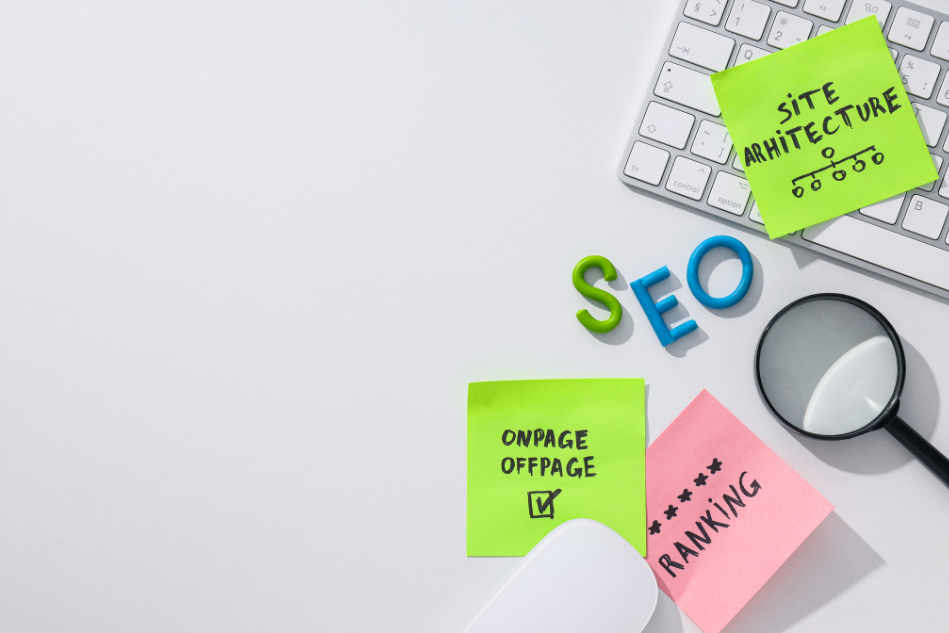
SEO is not a final step—it’s foundational.
Ensure:
Integrating SEO into your website design process saves time and improves long-term results.
Trust drives conversions.
Add:
Credibility reduces hesitation and shortens the buying cycle.
Not every visitor is ready to buy immediately.
Include:
A strong small business website strategy focuses on capturing interest early in the funnel.
Your site should include:
Compliance protects your business and demonstrates professionalism.
Define success indicators:
If you cannot measure performance, you cannot improve it.
Don’t quietly publish your site.
Plan:
Momentum at launch can significantly accelerate early growth.
Websites are living assets.
Maintain relevance with:
Fresh content strengthens SEO and builds authority over time.
Your website is infrastructure. It is not an expense.
Budget for:
Investing properly upfront reduces costly revisions later.
Set structured phases:
Rushed projects typically lead to missed details and weaker results.
Before going live:
Small errors reduce credibility immediately.
A comprehensive website planning checklist helps you approach your website with clarity and confidence. Instead of reacting to trends, you build intentionally.
In 2026, small businesses that succeed online are those that:
If you are still in the research stage, that’s a good sign. Thoughtful planning is what separates average websites from high-performing ones.
If you’re planning a new website or redesign in 2026, here in Dublin, California, don’t start with design; always start with simple website checklist planning and strategy.
Tick your own Website Planning Checklist today and map out your next website with clarity and confidence.
Or, if you prefer guidance, schedule a free website strategy call and get expert insights tailored to your business goals.
Your website should work for you 24/7.
Let’s make sure it does. Stay connected to our Facebook and Instagram accounts for more free tips.