Fill out our form, and we'll connect with you within 1 to 2 business days.
Phone: (925) 989-7737

Here are 9 easy ideas for website and social media integration. In today’s digital-first world, your website and social media platforms shouldn’t live separate lives. They’re both powerful tools but when combined strategically, they can do more than just share content. They can drive engagement, boost website traffic, and strengthen your brand’s online presence.
That’s where social media integration comes in. When done right, social media integration transforms your website from a static platform into a vibrant, interactive hub that connects you directly with your audience. Let’s explore how you can seamlessly integrate your social media with your website and why this is one of the smartest digital marketing strategies you can adopt today.
Social media integration isn’t just about adding icons to your homepage. It’s about creating a continuous loop between your website and your social platforms, so visitors can easily engage, share, and stay connected.
Here’s why it’s so essential:
In short, integrating social media into your website bridges the gap between your content, community, and conversion goals.
The most straightforward step is to add social media icons that lead to your profiles. But placement is everything. Don’t just scatter them randomly across your pages integrate them where they’ll have the most impact.
Best spots to place social media icons:
Make sure your icons are consistent with your brand’s color scheme and design. Use recognizable logos and ensure they open in a new tab, so visitors don’t navigate away from your site entirely.
Embedding your live social media feed directly on your website helps demonstrate that your brand is active and connected. It’s an easy way to add fresh, dynamic content to your site, automatically!
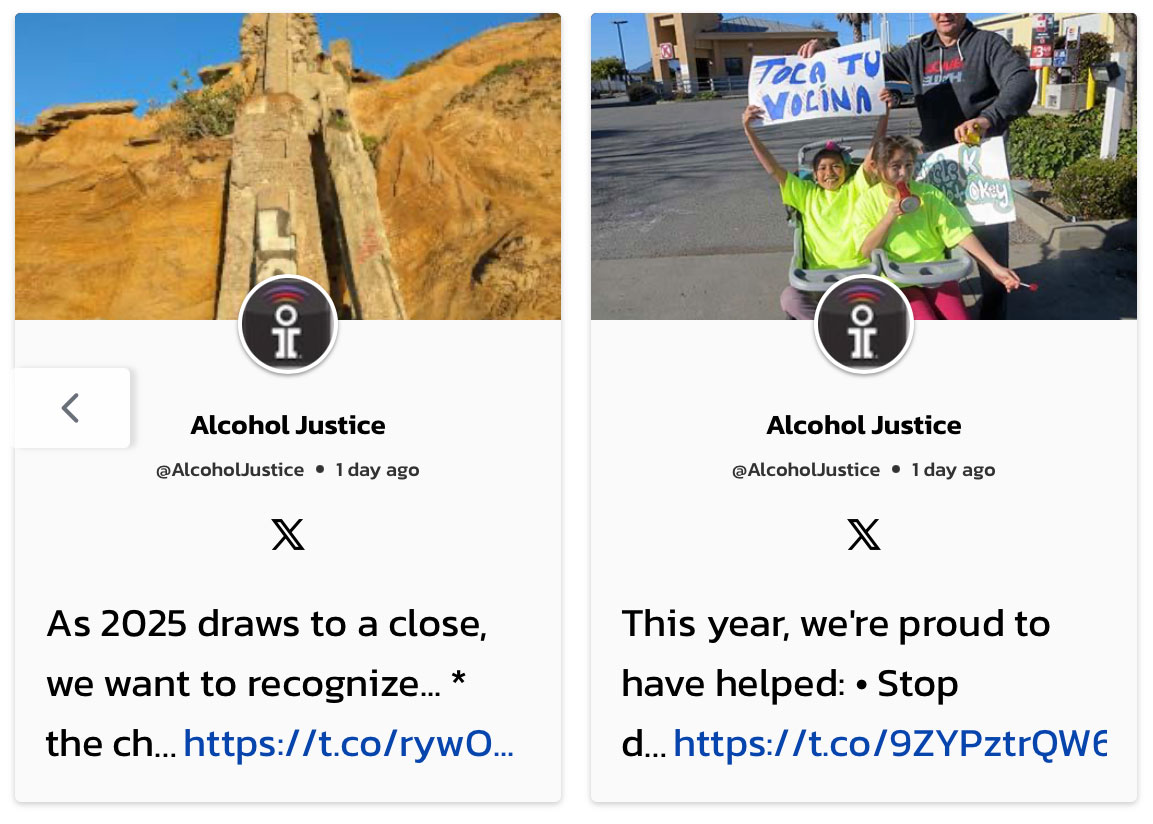
Our client asked us to embed their X (Twitter) feed directly onto their Press Releases page
For instance:
This not only keeps your website visually appealing but also builds trust. Visitors can see real-time interactions, feedback, and engagement from real people giving your brand a more authentic feel.
If you’re publishing blog content, social sharing buttons are a must. They make it easy for your readers to spread your message across platforms, multiplying your reach effortlessly.
You can use plugins or built-in integrations (depending on your website builder or CMS) to allow readers to share your posts with just one click.
Pro tip: Use eye-catching calls to action like
Each share expands your digital footprint—a small action that can have a big impact on your website traffic and brand visibility.
Social media isn’t just for sharing; it’s a goldmine for social proof testimonials, reviews, and user-generated content that show people love your brand.
Integrate social proof into your website by:
When visitors see real people engaging with your brand online, it adds authenticity and trust. These are two things that directly influence purchasing decisions.
If your website allows users to sign up or log in, adding a social login option can streamline the process.
Instead of filling out long forms, visitors can log in with Facebook, Google, or LinkedIn. This not only improves the user experience but also encourages more sign-ups, subscriptions, or account creations.
Plus, it gives your brand valuable insight into user behavior and preferences, helping you refine your digital marketing strategy.
Not every visitor follows you on social media but that doesn’t mean they shouldn’t see your best content.
Feature popular posts or campaigns directly on your homepage or blog. For instance, you could include:
This is a creative way to show off your social presence while adding variety to your website content. It also subtly invites visitors to follow you on other platforms for more updates.
Integration works both ways your website connects to your social media, and your social media should bring people back to your website.
Promote your latest blogs, special offers, or new products across your platforms. Use social media ads or organic posts that link directly to your site.
To make the most of it:
By creating a seamless loop, you can maximize both visibility and conversion potential.
Once your website and social media are integrated, it’s time to measure success. Tools like Google Analytics, Meta Business Suite, and LinkedIn Insights can help you monitor where your traffic is coming from and how users are interacting with your content.
Pay attention to:
Refine your strategy regularly based on these insights digital marketing is never a one-and-done process.
At the heart of all this is authenticity. Whether it’s your tone, visuals, or message, make sure your website and social media reflect the same brand personality.
Consistency builds recognition, while authenticity builds trust and both drive results.
Integrating social media with your website isn’t just a tech upgrade — it’s a strategy that connects your brand, content, and community in one powerful ecosystem.
When your social channels and website work together, you create a consistent experience that not only enhances digital marketing efforts but also builds relationships that last.
So start linking, embedding, and sharing — because in today’s world, your website isn’t complete without social media integration. And with the right strategy, every like, comment, and share could be the bridge to your next loyal customer. Let’s connect and start linking the right links (winks).